
Comprehensive retirement planning strategies for Ohio’s Firefighters.
For decades, a firefighter’s identity is forged in the firehouse and validated by the badge. When you retire, you don’t just lose a job; you lose your “rank” in society. In the fire service, your role is clear, your authority is respected, and your purpose is defined by the uniform. Stepping into civilian life creates a “void of self.” Many retirees find themselves introducing themselves as “retired firefighters” because the current version of themselves feels incomplete or unrecognizable. This identity crisis is often the root of depression; without the structure of the department, the individual must answer the daunting question: “Who am I when the sirens aren’t for me?” Rebuilding a sense of self-worth outside of emergency response requires a profound psychological shift that many are unprepared for, leading to a period of mourning for the person they used to be.
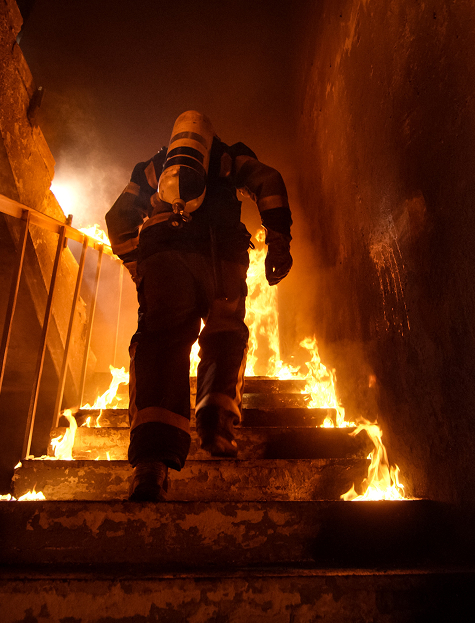
The fire service keeps the brain in a state of chronic high-arousal. For 25 years, your nervous system is calibrated to go from zero to one hundred in seconds. Retirement brings an abrupt “crash” from this physiological peak. The sudden silence is not peaceful; it is jarring. This often leads to “leisure sickness,” where the body, finally out of survival mode, collapses into fatigue or illness. Mentally, the lack of dopamine and adrenaline can feel like a withdrawal. Retirees may become “sensation seekers” in unhealthy ways—gambling, reckless driving, or excessive drinking—simply to replicate the “high” they once felt on the fire ground. Learning to live at a “civilian pace” requires retraining the brain to find satisfaction in low-stakes environments, a process that can take years of frustrating adjustment.
On the job, “the next call” is the ultimate coping mechanism. If you see something horrific at 2:00 AM, you bury it because you have another call at 4:00 AM. Over a career, this creates a “closet” full of traumatic ghosts. In retirement, the distractions vanish. With no more calls to answer, the brain finally has the space to process decades of accumulated tragedy. This is when PTSD often manifests most aggressively. Sights, smells, or sounds that were once “part of the job” suddenly trigger vivid flashbacks. Because firefighters are trained to be the “helpers,” they are often the last to seek help for themselves. This delayed trauma can lead to isolation, as the retiree feels they can no longer relate to the “normal” world while carrying the weight of a thousand tragedies.

The firehouse is a unique ecosystem—a second family where you eat, sleep, and face death together. Retirement is a forced “divorce” from this brotherhood. While retirees are often told they will always be part of the family, the reality is different. The “A-Shift” moves on; new recruits fill your seat; the inside jokes change. The retiree becomes a guest in a place they once owned. This social isolation is profound. Most civilians do not understand the dark humor or the specific stresses of the job, leaving the retiree feeling like an alien in their own neighborhood. Without the daily “locker room” camaraderie, many men and women in the fire service lose their primary support system exactly when they need it most, leading to a dangerous sense of loneliness.
Firefighting is an “industrial athlete” profession, but the “off-season” is permanent. Years of breathing toxic smoke (even with PPE), sleep deprivation, and extreme physical exertion culminate in retirement. Statistics show that firefighters face significantly higher rates of occupational cancers and cardiovascular disease shortly after they stop working. The body, no longer fueled by the adrenaline that masked chronic pain, begins to “speak.” Back, knee, and shoulder injuries become debilitating. Furthermore, the transition from a highly active job to a sedentary lifestyle often leads to rapid weight gain and metabolic issues. Managing these health risks requires a proactive, specialized medical approach that many retirees ignore until a crisis occurs, often resulting in a shorter life expectancy than the general population.
You cannot spend 30 years looking for what could go wrong and then “turn it off” on a Tuesday. Hypervigilance is a survival skill in the fire service—checking for exits, smelling for smoke, and watching people’s hands. In retirement, this “on-call” brain becomes a burden. It manifests as an inability to sit with your back to the door in a restaurant or an intense irritability when things feel “out of control.” This constant state of “Red Alert” is exhausting for both the retiree and their family. It creates a barrier to intimacy and relaxation. To the retiree, the world feels dangerous and unpredictable; to their family, the retiree seems paranoid or “on edge.” De-escalating this neurological survival response is a major hurdle in finding peace in civilian life.
The “24/48” or “48/96” shift schedule creates a specific rhythm at home. Spouses and children become accustomed to the firefighter being gone for long stretches, developing their own routines and independence. When the retiree is suddenly home 24/7, it can feel like an “invasion.” The retiree may try to “manage” the house like a fire station—organizing, critiquing, and seeking a hierarchy that doesn’t exist in a family setting. Conversely, the retiree may feel like a “guest” in their own home, unsure of where they fit in. This role reversal often leads to high divorce rates post-retirement (“Grey Divorce”). Both partners must renegotiate their relationship from scratch, moving from a life of “long-distance” partnership to one of constant proximity.

While fire service pensions are often touted as generous, they rarely match the “take-home” pay a firefighter becomes accustomed to during their peak years. Many firefighters rely heavily on overtime (OT), holiday pay, and specialty stipends to maintain their lifestyle. Retirement pay is usually based on base salary, leading to a “sticker shock” when the first pension check arrives. Additionally, healthcare is a massive hurdle. Many firefighters retire in their 50s but aren’t eligible for Medicare until 65. Covering the “bridge” with private insurance or COBRA can cost thousands of dollars a month, eating into the pension. Without meticulous financial planning for the “gap years,” retirees may find themselves forced back into the workforce in jobs they dislike just to cover insurance.
Firefighters are “fixers.” Every day they go to work, they have the opportunity to save a life, solve a problem, or help someone on their worst day. This provides an immense sense of “moral clarity.” In retirement, that mission is gone. The mundane tasks of civilian life—mowing the lawn, running errands, or house projects—often feel meaningless in comparison to “the job.” This loss of purpose is a primary driver of “Retirement Depression.” Finding a new “Why” is difficult because few things compare to the stakes of emergency service. Without a new mission—whether through mentoring, community service, or a second career—the retiree can quickly spiral into a sense of obsolescence, feeling that their best and most useful days are behind them.

The “bell” never truly stops ringing. Decades of “broken sleep”—waking up to sirens and lights in the middle of the night—permanently alters the brain’s circadian rhythm. Most retired firefighters suffer from chronic insomnia or “light sleeping,” where the slightest noise jolts them into a state of full alertness. This isn’t just a nuisance; chronic sleep deprivation is linked to cognitive decline, heart disease, and emotional instability. Even with no calls to answer, the body remains stuck in a pattern of “anticipatory stress,” waiting for the alarm. This prevents the deep, restorative sleep necessary to heal the brain and body from years of service. Correcting these sleep patterns often requires clinical intervention and a complete overhaul of lifestyle habits.